THE ISSUE
భద్రాద్రిలో ఏం జరుగుతోంది?
భద్రాద్రి అత్యంత పూజనీయమైన శ్రీరామ క్షేత్రాలలో ఒకటి. ఇటీవలి దశాబ్దాలలో శ్రీ సీతారామచంద్ర స్వామివారి నామం, గోత్ర–ప్రవరలు, కల్యాణోత్సవ సంప్రదాయాలతో సహా ఆలయానికి సంబంధించిన అనేక చిరకాల ఆచారాలలో మార్పులు జరిగాయని భక్తులు, పండితులు, సంప్రదాయవాదులు ఆందోళన వ్యక్తం చేస్తున్నారు.
This effort seeks attention on these unjustified changes and the restoration and preservation of sacred practices supported by Bhadradri’s documented sampradāya.
AT A GLANCE
What Changed at Bhadradri?
The concerns center on changes to how Śrī Rāma is identified and invoked in important temple traditions, particularly Gotra-Pravara and Kalyāṇam.
Traditional Record
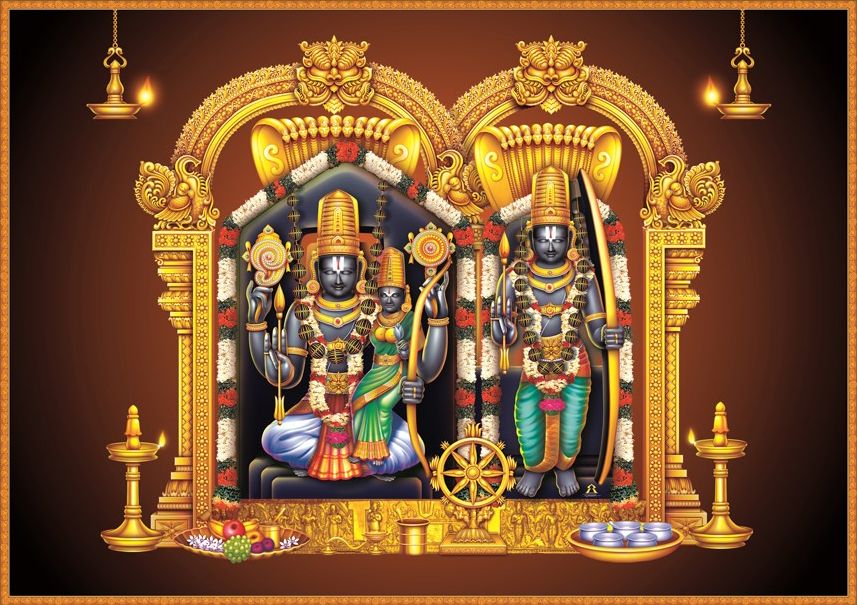
Śrī Sītā-Rāmachandra Swamy
The divine couple at Bhadradri has always been identified in the Sītā-Rāma tradition and invoke their parents Daśaratha and Janaka in the Kalyāṇam context.
Disputed Change
Rāmanārāyaṇa & Revised Gotra-Pravara
Our established divine traditions were changed by factions with their own self-interests and motivations. In place of Śrī Sītā-Rāmachandra Swamy, they have renamed the Lord to “Rāmanārāyaṇa” and revised Gotra-Pravaras have been introduced, which changes Bhadradri’s sacred traditions.
Our Appeal
Restore our Sacred Traditions
Our appeal is to review all historical publications and restore the divine practices of Bhadradri’s established sampradāya.
The question is not whether traditions may differ between temples. It is to preserve the centuries-old sacred and divine traditions of Bhadradri sung and worshipped by sages and devotees.
UNDERSTANDING THE SACRED TRADITION
What Are Gotra and Pravara?
In Hindu traditions, Gotra and Pravara identify the lineage invoked for the bride and groom. During the sacred Kalyāṇam at Bhadradri, these are recited for Śrī Sītā Devī and Śrī Rāmachandra Swamy as part of the marriage ritual.
Gotra or Lineage
Gotra identifies the traditional lineage with which a person is associated. In Vivāha, the Gotra of both sides forms part of the formal identification of the bride and groom.
Pravara or Line of Ancestors
Pravara invokes the distinguished ancestral lineage associated with the Gotra. Together, Gotra and Pravara establish the ritual identity recited during the marriage ceremony.
Why Is This Central to the Bhadradri Issue?
The dispute is not simply about wording. The Gotra-Pravara recited during Śrī Sītā-Rāma Kalyāṇam has altered the traditional divine and sacred ritual identification of the Sita Devi and Sri Rama.
TIMELINE
How the Disputed Changes Developed
Historical publications and testimony show a progression from the earlier established Sītā-Rāmachandra tradition to the Gotra-Pravara and “Rāmanārāyaṇa” practices disputed today.
1973: Earlier Published Tradition
The temple publication Bhadradri Sītārāmula Kalyāṇam has the traditional centuries-old tradition referring to Sītā-Rāma, Daśaratha and Janaka, without the Gotra-Pravara changes we are seeing today.
1983: Temple Publication
Another temple-administered publication by Podicheti Rangacharyulu also contains the centuries-old sacred Gotra-Pravaras.
1985: Gotra-Pravara Change
According to the source, a revised formulation using Achyuta Gotra for Śrī Rāma and Saubhāgya Gotra for Sītā became used around this period. Vested interests were involved in pushing this change.
2001: Kalyāṇa Vedika & Invitations
The disputed procedure with gotra-pravara changes appeared on the Kalyāṇa Vedika and wedding invitations beginning in 2001. Again, a sect of vested interests pushed this change from established sacred traditions.
2012: Annual Śrī Rāma Navami Kalyāṇam
The name “Rāmanārāyaṇa” replaced Śrī Sītā-Rāmachandra Swamy in the annual Kalyāṇam from 2012.
2015: Nitya Kalyāṇam
The disputed usage then became extended to the daily Nitya Kalyāṇam beginning in 2015.
These dates and interpretations are those documented in the campaign’s source material. The Evidence section provides the underlying publications, testimony and records for examination.
A BROADER HERITAGE CONCERN
Bhadradri’s Śiva & Hari-Hara Heritage
In addition to the present controversy of the Lord’s names, Kalyāṇam and Gotra-Pravara, there are historical Śiva-associated elements at Bhadradri. The Hari-Hara heritage is connected with the divine presence and worship of both the Lords and should be preserved.
Bhakta Ramadasu sang and worshipped the Hari-Hara divine duo and earlier records show a Śivaliṅga/Śiva temple associated with him and Śiva-family imagery on the temple gopuram.
Śiva Temple
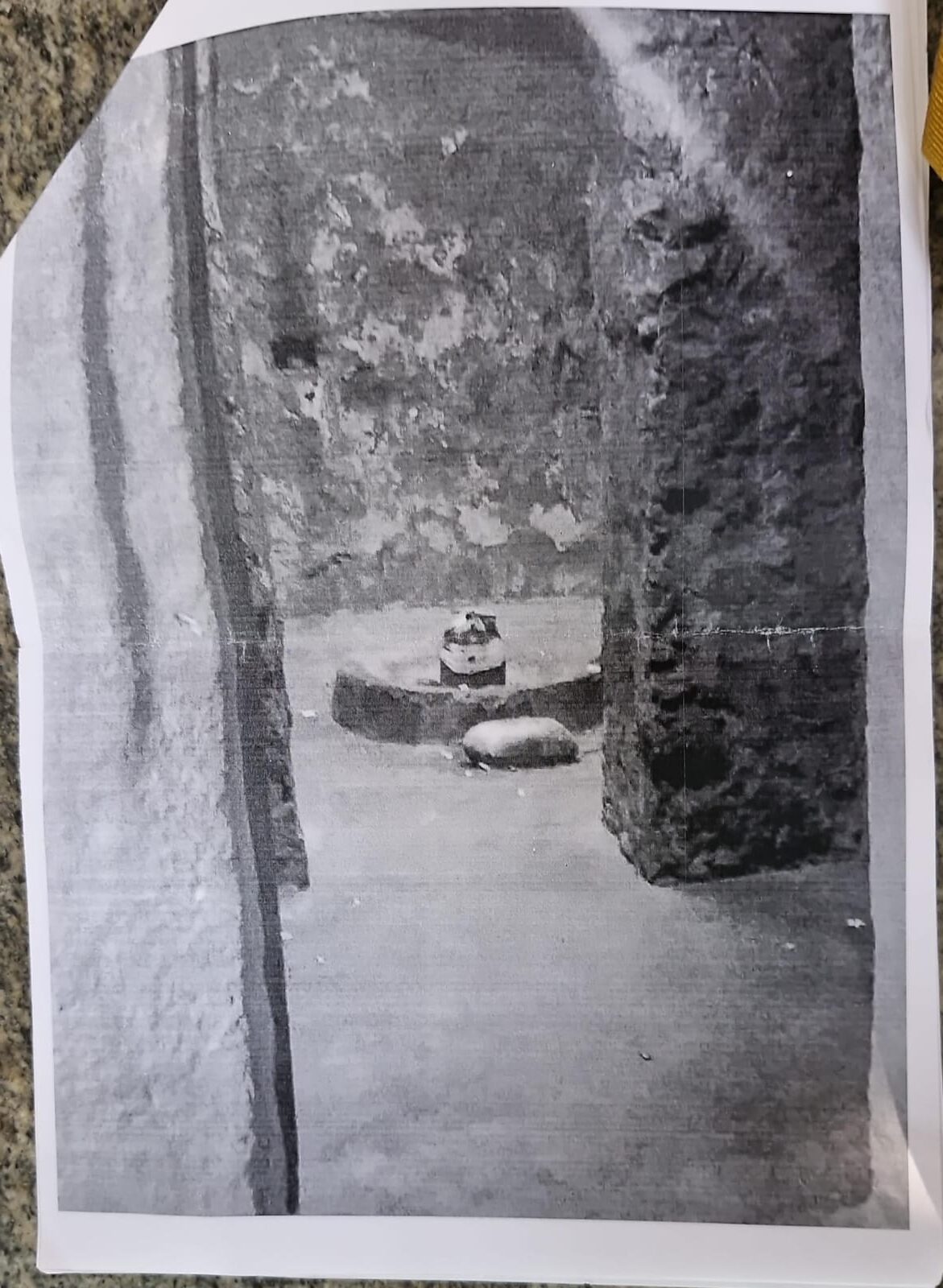
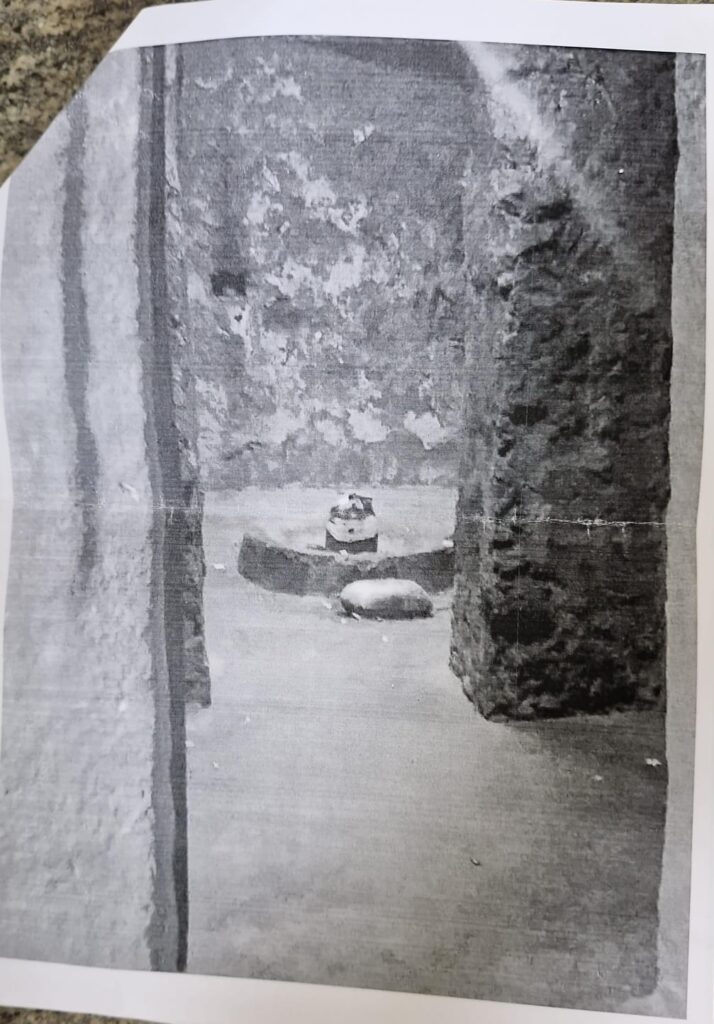
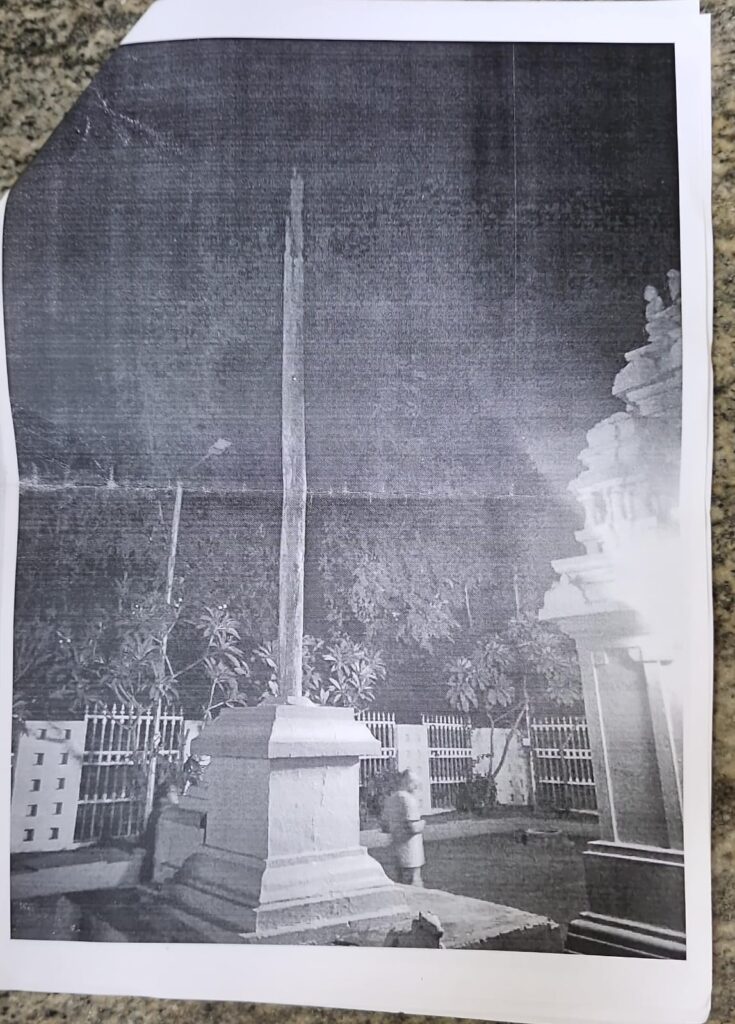
Śrī Bhadrachala Kṣetra Charitra shows a Śiva temple beside the Rāma temple and attributing its installation to Ramadasu. The movement says the Śivaliṅga was subsequently removed from its earlier position.
Śiva-Parivāra on the Gopuram
Historical material shows Śiva-family imagery on the temple gopuram. Redevelopment proposals have resulted in removal of these elements, prompting objections from devotees and newspaper coverage at the time.
The Kṣetra Pālaka Tradition
Śrī Bhadradri Vaibhavam identifies Vīrabhadra as Kṣetra Pālaka, and disputes a later identification involving Yogananda Narasimha.